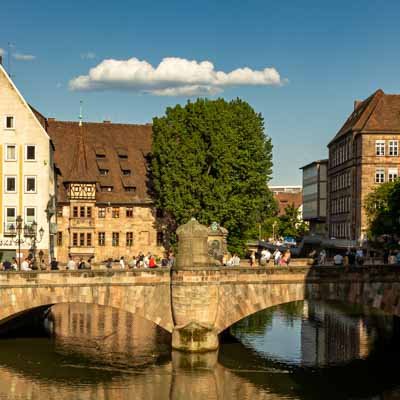
Museum Bridge
The Museum Bridge is the central connection between Nuremberg's two city sides Lorenz and Sebald.
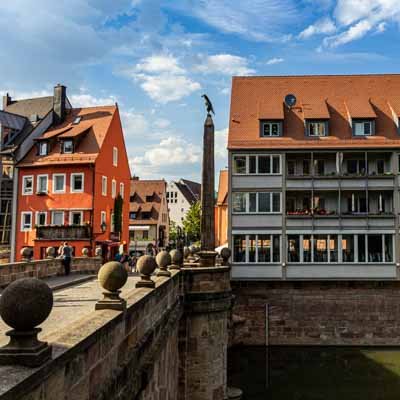
Charles Bridge
The Charles Bridge consists of two parts, the Lower and the Upper Charles Bridge and Between them is the Pegnitz Island with the flea market.
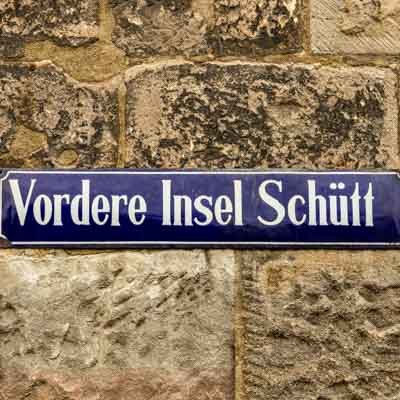
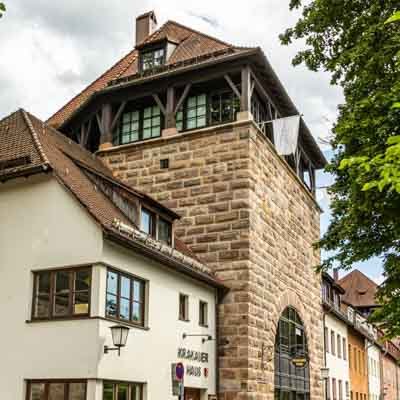
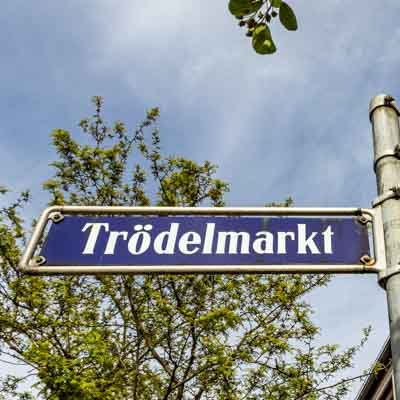
The Trödelmarkt is a square located in the west of the Old town between Maxbrücke and Fleischbrücke.
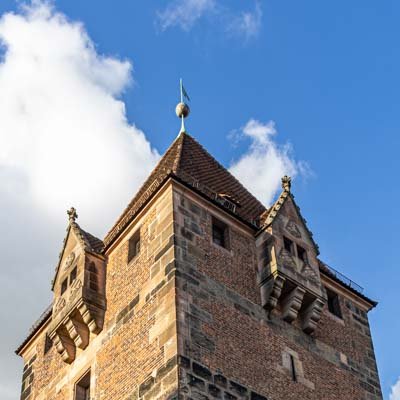
Debtor’s prison
The Schuldturm is a tower of of the former city fortification and was built in 14th century by master builder Conrat Stromer.
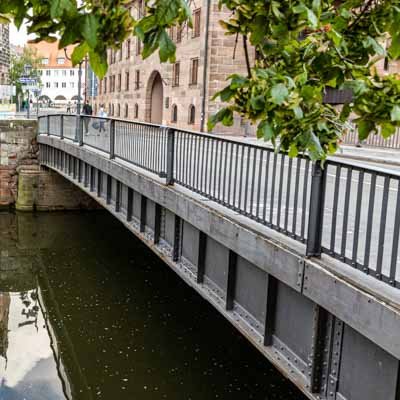
Spital Bridge
The Spitalbrücke is a bridge which connects the Sebald side of the city with the Insel Schütt.
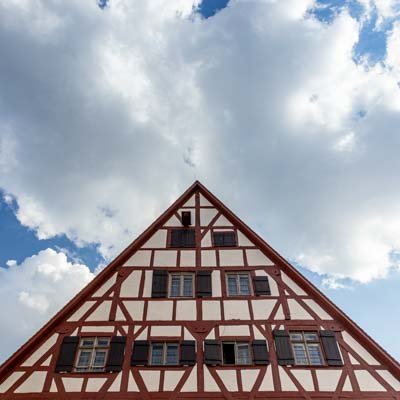
Formerly a special hospital for lepers, later a warehouse for wine and today a student dormitory.
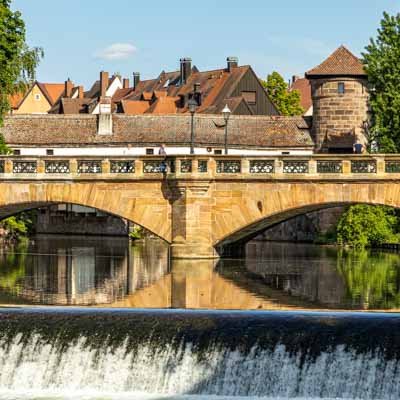
The Pegnitz River in Nuremberg
The river Pegnitz flows through Nuremberg and divides the old town into two halves, Sebald and Lorenz.
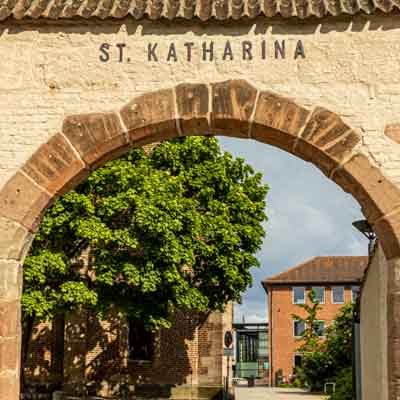
St. Catherine's Church
St. Catherine's Church was a major medieval church in Nuremberg, which was damaged in the World War II and preserved as a ruin.
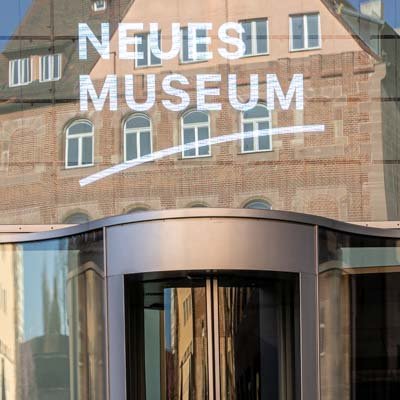
Neues Museum is a state museum for art and design in Nuremberg.
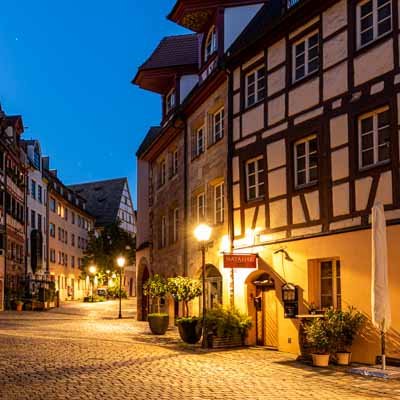
Weissgerber street
The Weissgerber street in the old town of Sebald is one of the best-preserved medieval streets in Nuremberg.
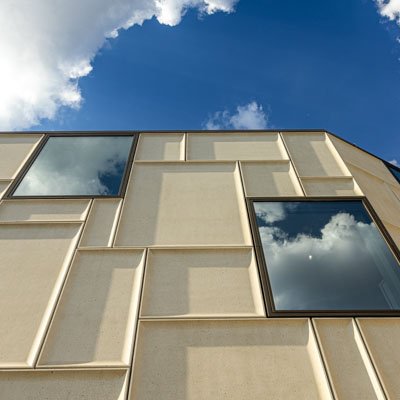
The Deutsches Museum Nürnberg presents projects from current research that may influence our lives tomorrow.
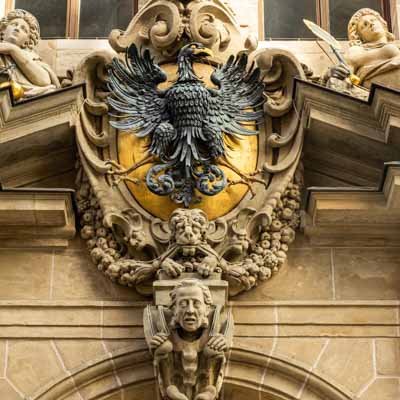
Old Town Hall
Nuremberg's Old Town Hall is one of the city's most important buildings.
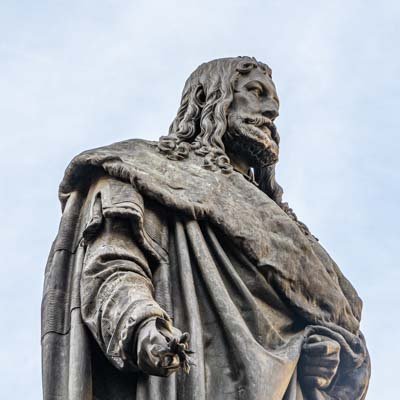
Albrecht Dürer Square
Albrecht Dürer Square was named after the painter Albrecht Dürer in 1828.
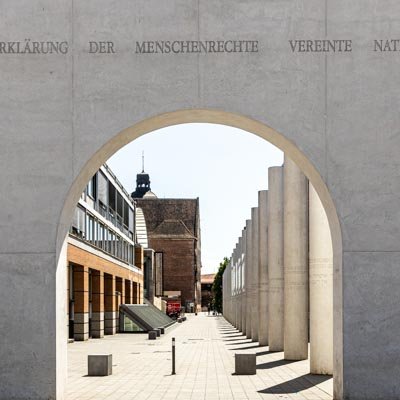
The Way of Human Rights
The Way of Human Rights is the symbol for peace and human rights.
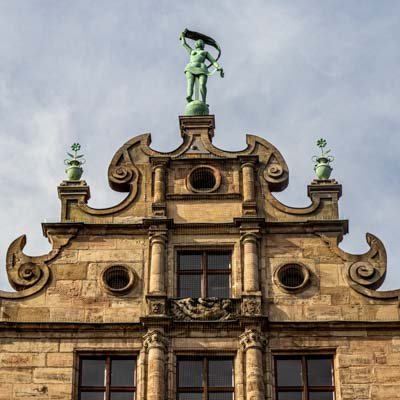
City Museum in Fembo house
The Fembohaus is the museum about the history of Nuremberg.
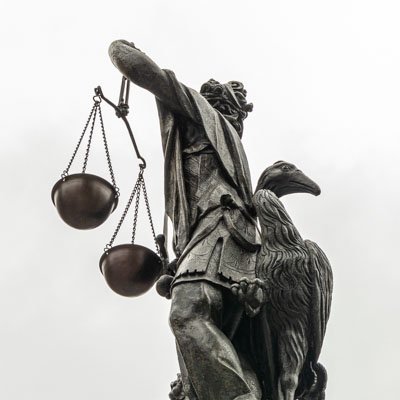
Fountain of Virtue
The Fountain of Virtue was built between 1584 and 1589 by Benedikt Wurzelbauer.
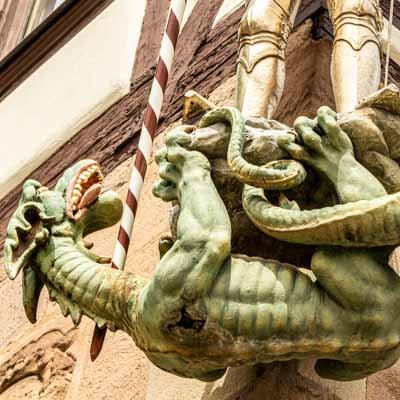
Pilatushaus is one of the few remaining burghers' houses from the late Gothic period. It was built in 1489.
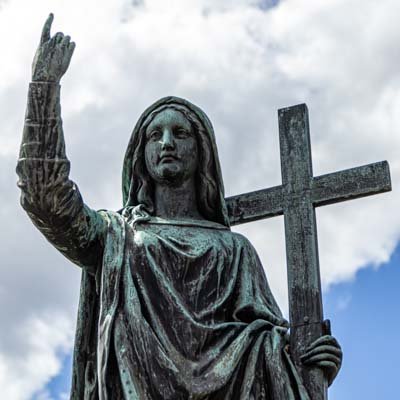
The Johannisfriedhof is a cemetery with historical bronze epitaphs as well as significant lying gravestones.