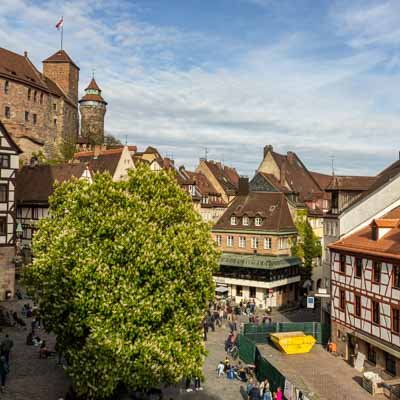
Old town
There are beautiful houses, interesting churches and cosy squares to discover on almost every corner.
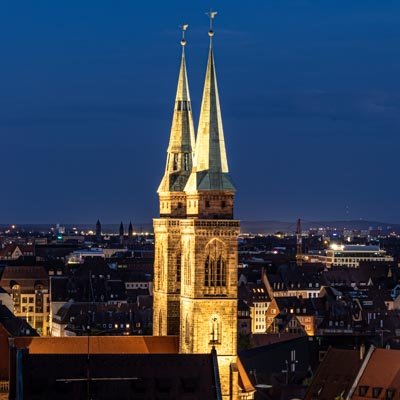
Old town - St. Sebald
The oldest part of the city, the St. Sebald sits just below the castle and and houses churches, sights, medieval streets and other interesting places.
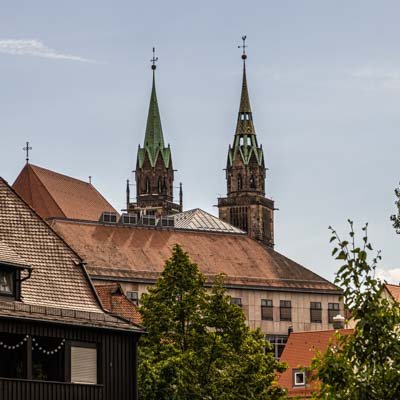
Old town - St. Lorenz
The Lorenz old town houses large museums, art treasures in churches, restaurants, street cafes and exclusive shops.
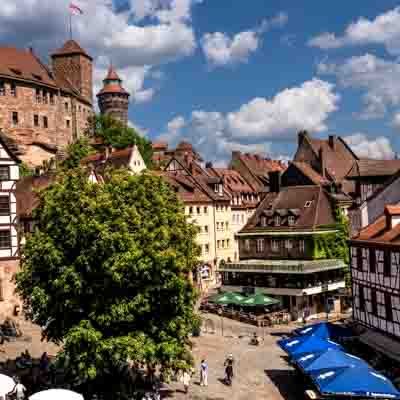
Step into a living medieval painting at Nuremberg's Tiergärtnertorplatz, a vibrant square where history, art, and local life converge beneath the Imperial Castle.
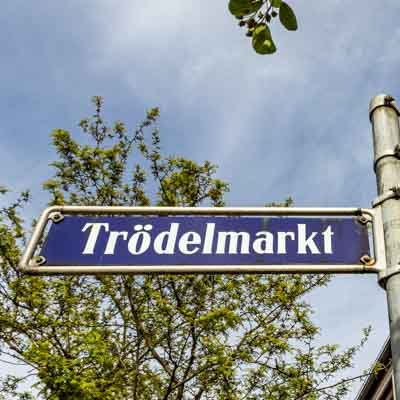
The Trödelmarkt is a square located in the west of the Old town between Maxbrücke and Fleischbrücke.
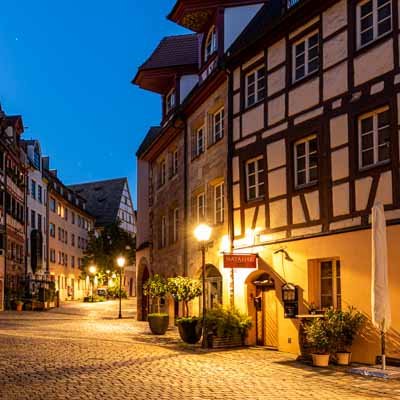
Weissgerber street
The Weissgerber street in the old town of Sebald is one of the best-preserved medieval streets in Nuremberg.
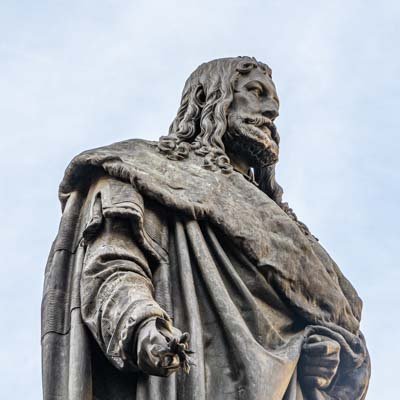
Albrecht Dürer Square
Albrecht Dürer Square was named after the painter Albrecht Dürer in 1828.
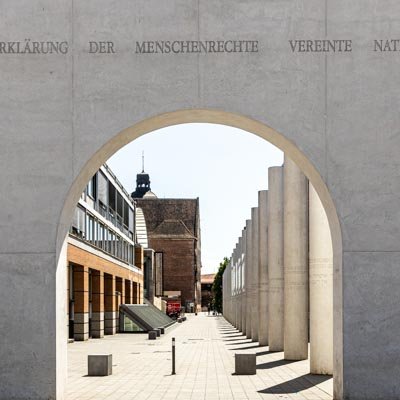
The Way of Human Rights
The Way of Human Rights is the symbol for peace and human rights.
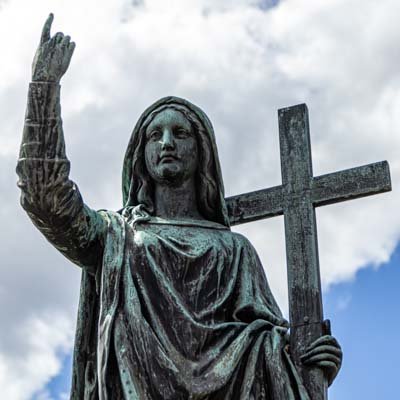
The Johannisfriedhof is a cemetery with historical bronze epitaphs as well as significant lying gravestones.
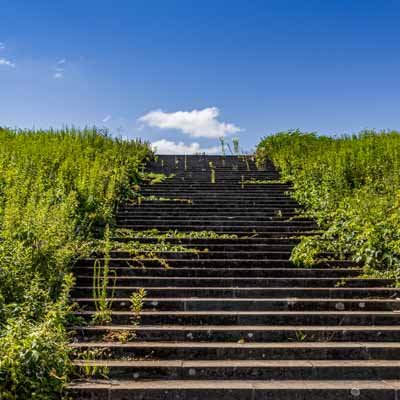
Zeppelin Field
The Zeppelin Field was the central parade ground for the participants of the Nazi Party Rallies.
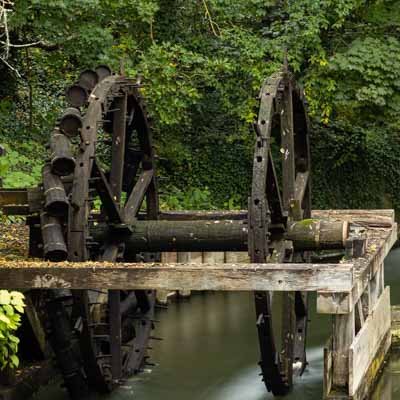
Mögeldorf has been a district of Nuremberg since 1899.
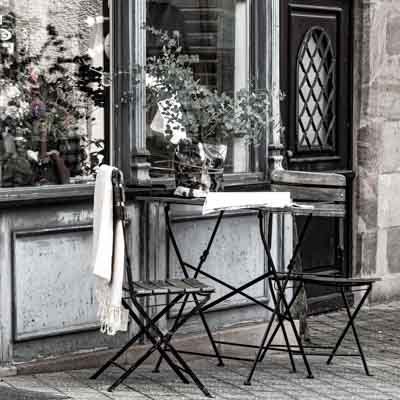
Unschlittplatz is a square and it is one of the most important historical sights of Nuremberg's southern Old Town.
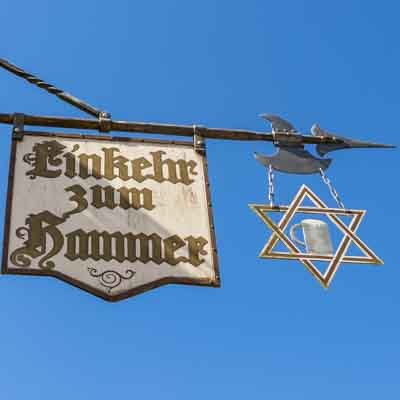
The Hammer factory is one of the most important sites of the late medieval industrial settlement in Europe.
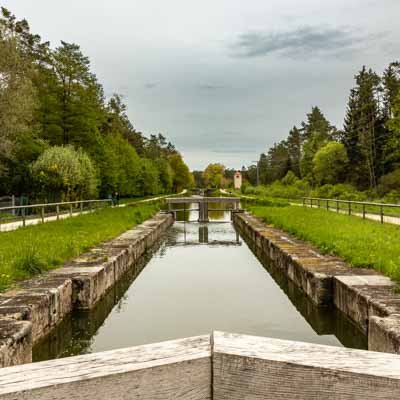
Ludwig Danube Main Canal
The Ludwig Danube Main Canal (also known as the Ludwigskanal or as the Der Alte Kanal) was a waterway between the Danube and the Main rivers in the 19th and 20th centuries.
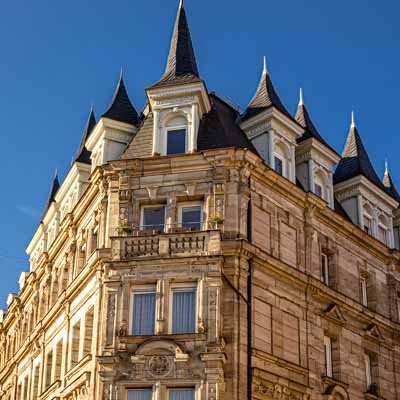
Sankt Johannis
One of the oldest parts of Nuremberg is Sankt Johannis, which was first mentioned in 1234.
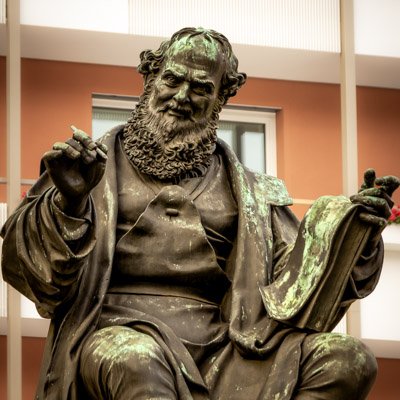
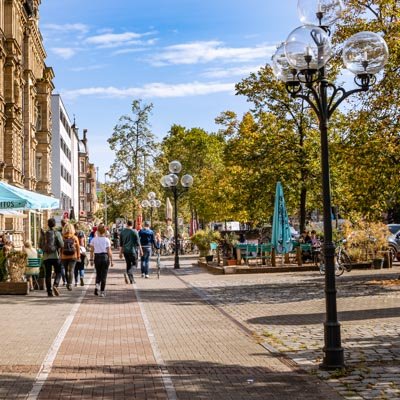
Fürther Street
Fürther Straße runs from the Plärrer to the city limits of Fürth and with over 4 km it is one of the longest streets in Nuremberg.
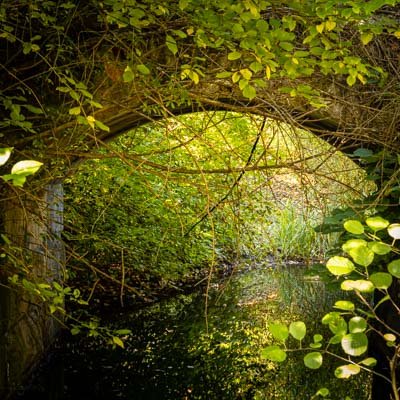
Ruins of the Märzfeld Foundations
The ruins of Wehrmacht training area designed by architect Albert Speer.