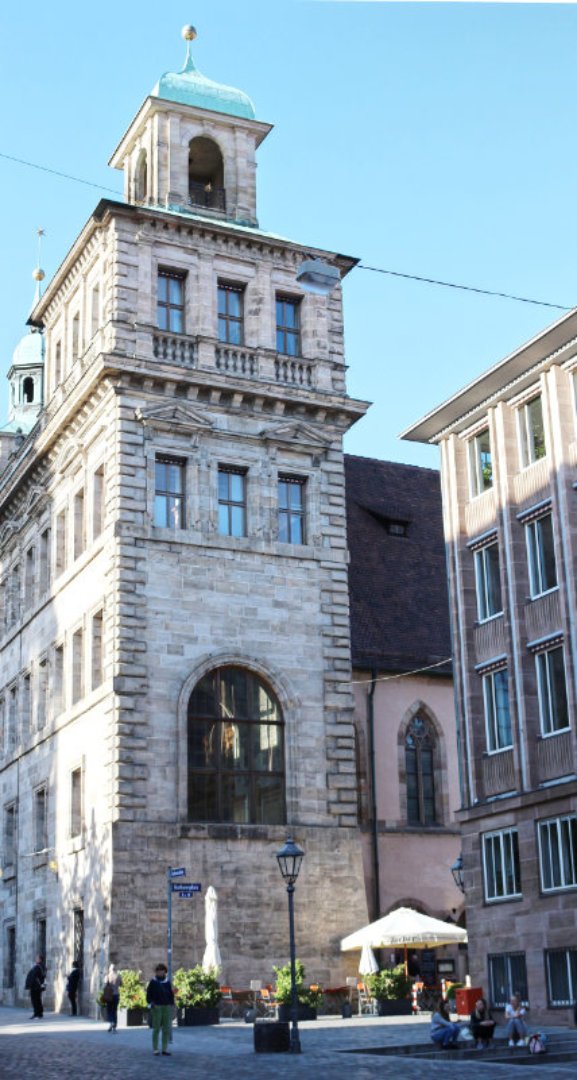
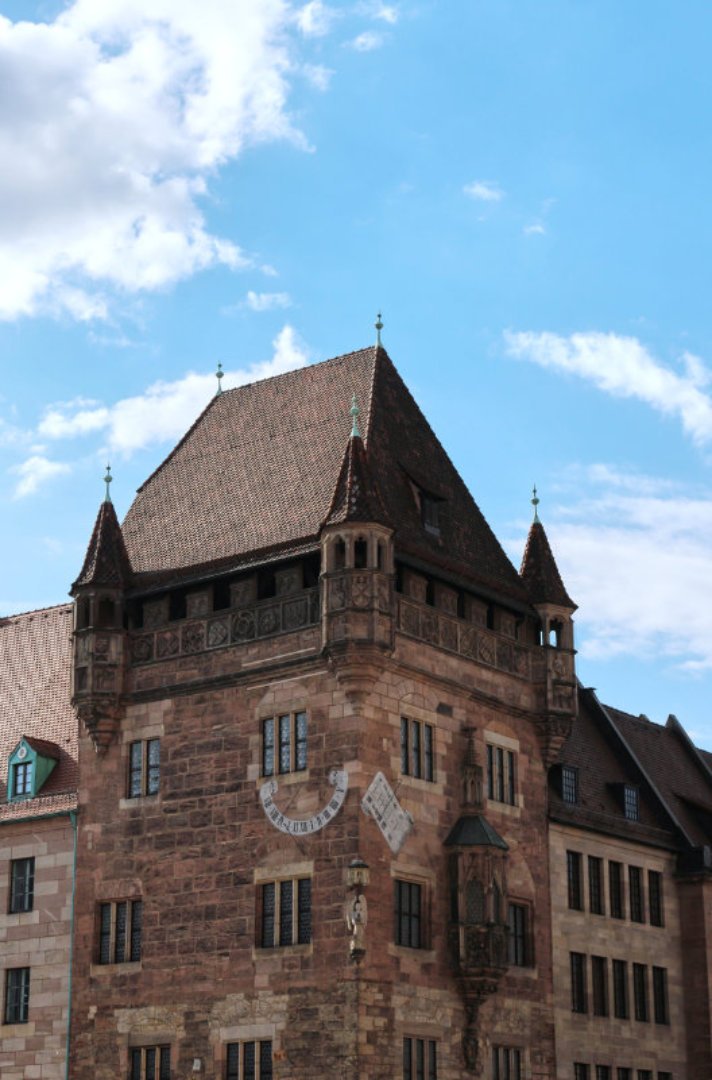
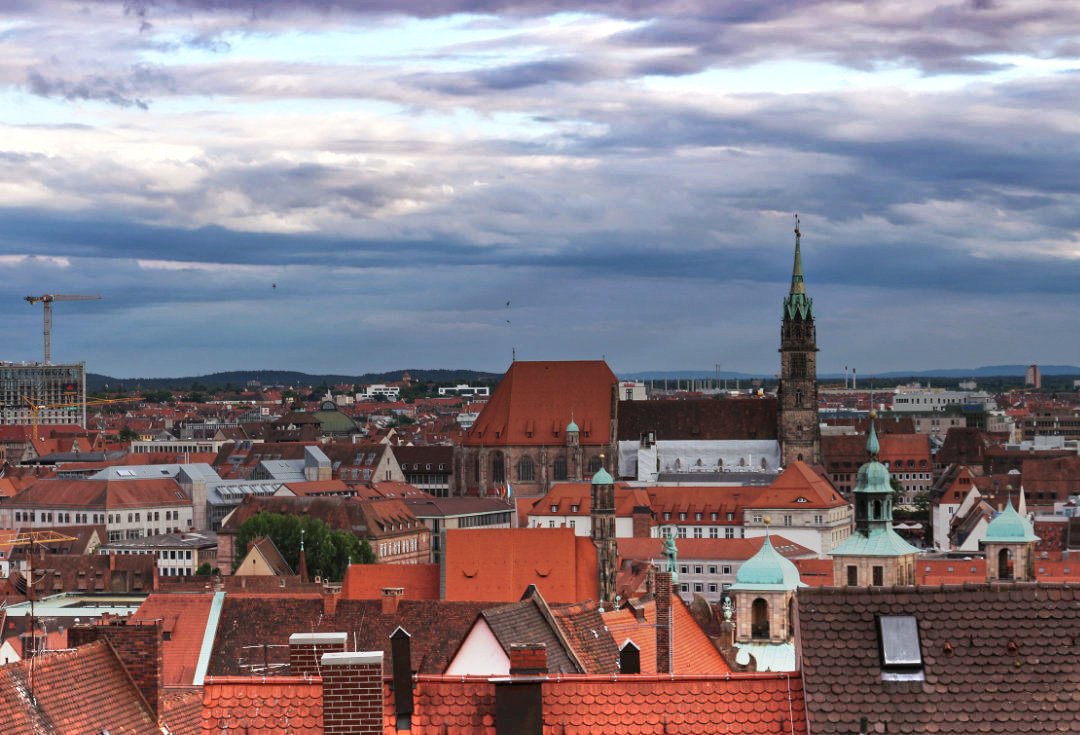
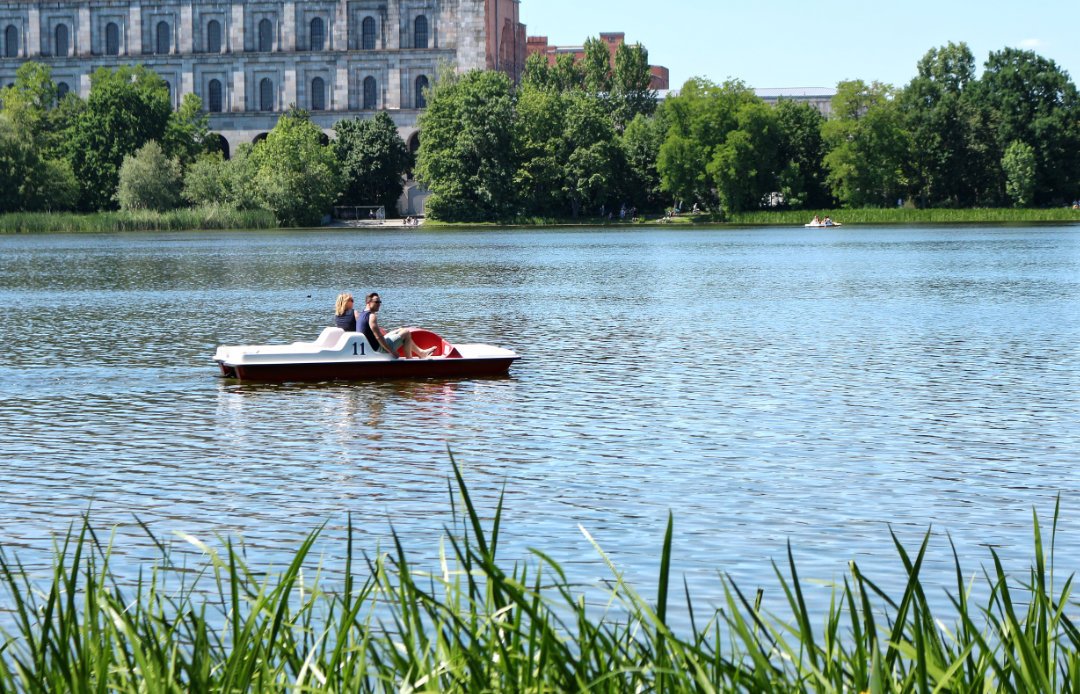
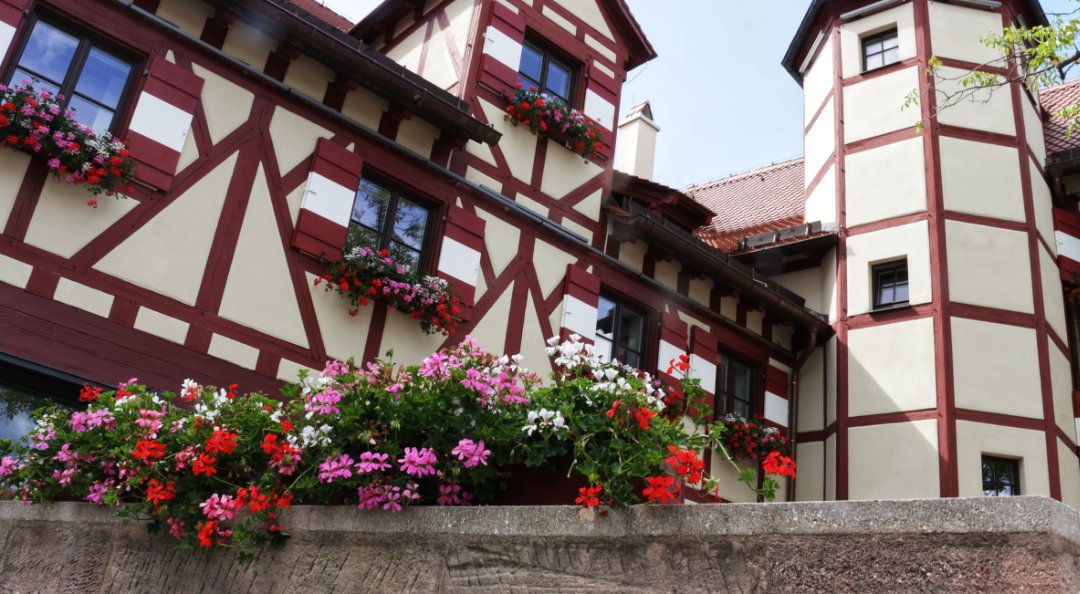
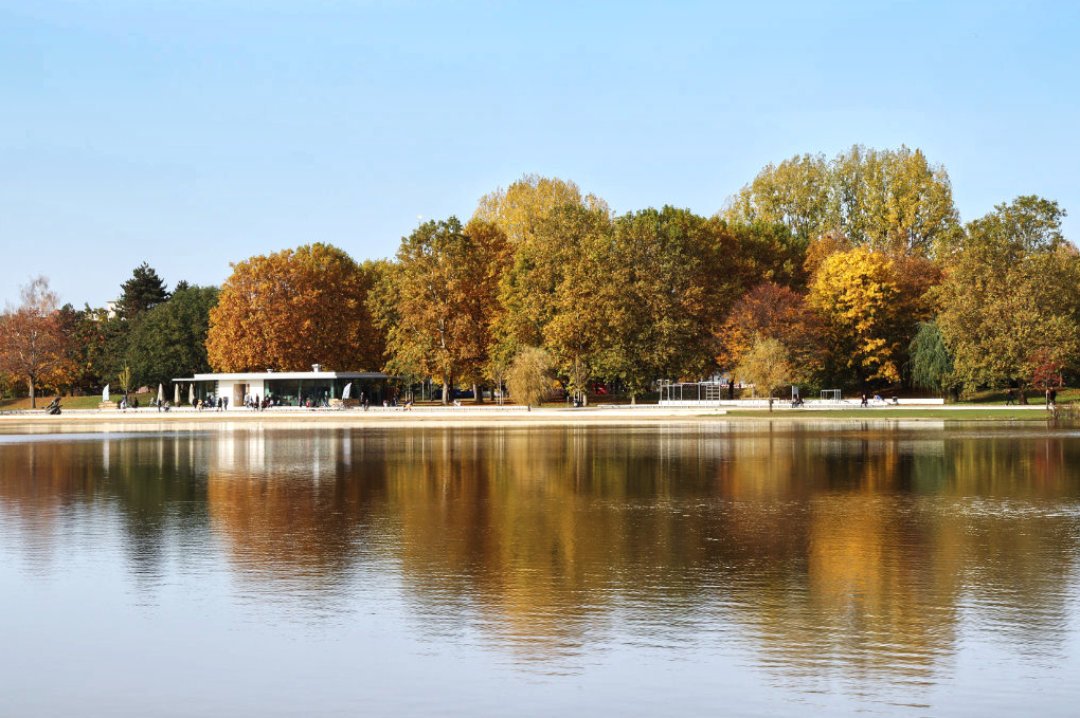
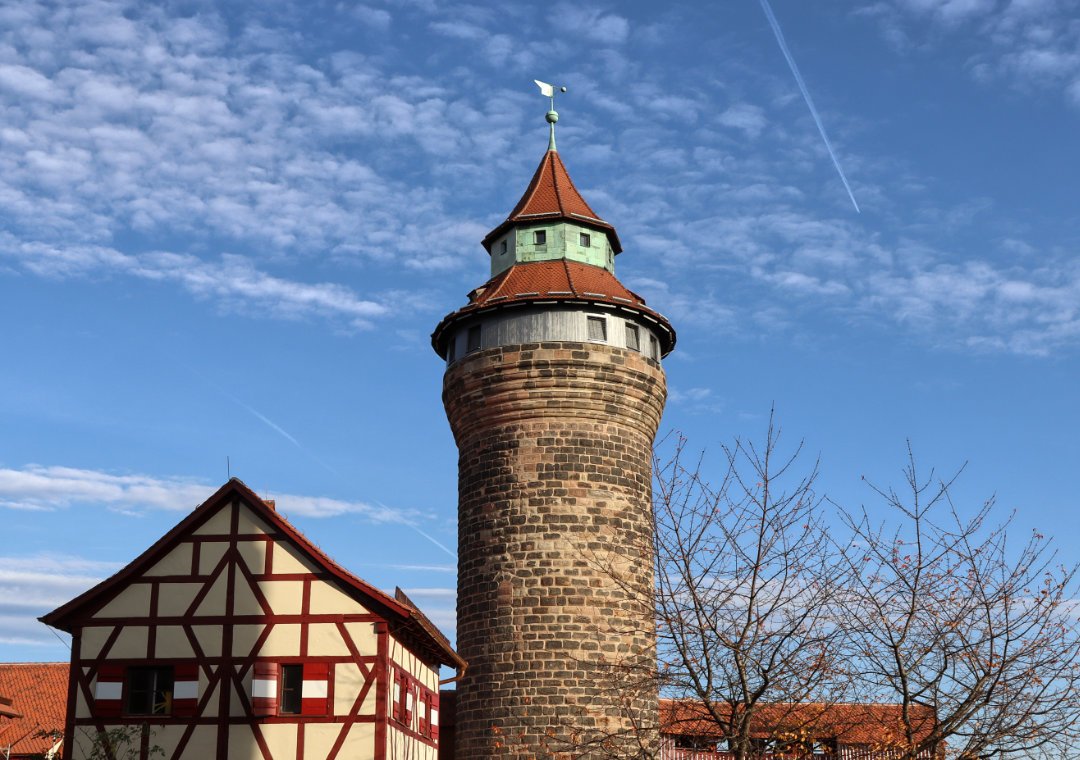
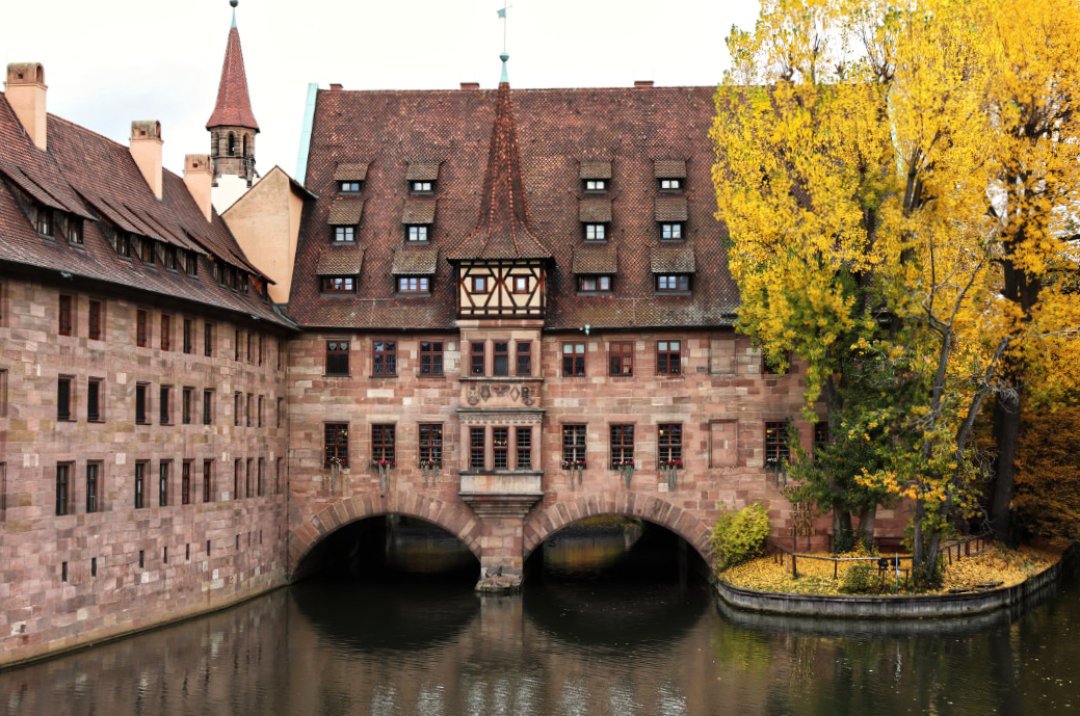
It is located on the Pegnitz River and it represents the cultural center of Franconia region. It used to be a place where decisions were made about numerous political events in Europe, and today is a real tourist gem.
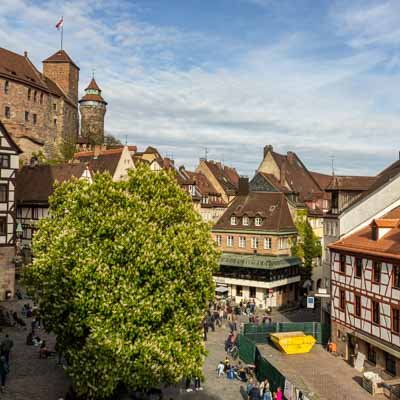
The city was first mentioned in official records 1050, but it had its origin in the imperial castle known as “Kaiserburg”, built about 10 years earlier by the German king Henry III, who became in 1046 Holy Roman emperor. In 13th century Nuremberg gained full independence, becoming a free imperial city.
From the beginning of the 12th to the end of the 16th century, every German emperor resided in Nuremberg, some more than twenty times.
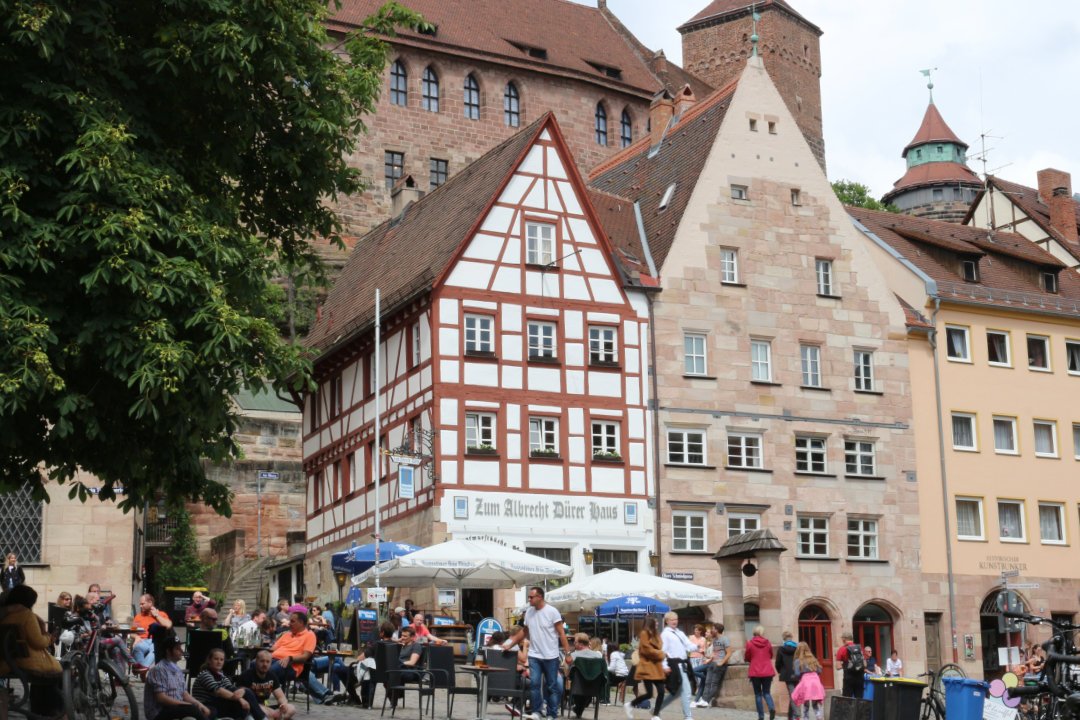
In 1471, Albrecht Durer, the greatest painter of the German Renaissance was born in Nuremberg. During the period of Durer and his contemporaries, the arts flourished in Nuremberg as never before or since and had the reputation as a center of learning in the developing Western world.
In 17th century Nuremberg was at the height of its economic and cultural development, but then, its importance started to decline. In 1806 it had lost its status as a free imperial city and, much indebted, became part of the kingdom of Bavaria.
With the beginning of the industrial age, when the first German railway was opened linking Nuremberg and Fürth, the city begins to flourish again as an industrial center.
The Nazi period left a deep mark on the perception of the whole world. The Nazi Party rallies took place in this city with great propaganda pomp in the 1930s, and in 1935 the city gave its name to the infamous anti-Semitic Nuremberg decrees. Among other things, that is why Nuremberg was mercilessly razed to the ground during World War II. The city was so severely damaged that there were ideas to give up on reconstruction of the city and to rebuild the whole city at some other location.
Post-war Nuremberg was the scene of famous “Nuremberg trials” of German Nazi war criminals.
Today, with more than 500.000 citizens Nuremberg is a major administrative and commercial center, with the most museums per capita in Germany.